Systems
Systems family
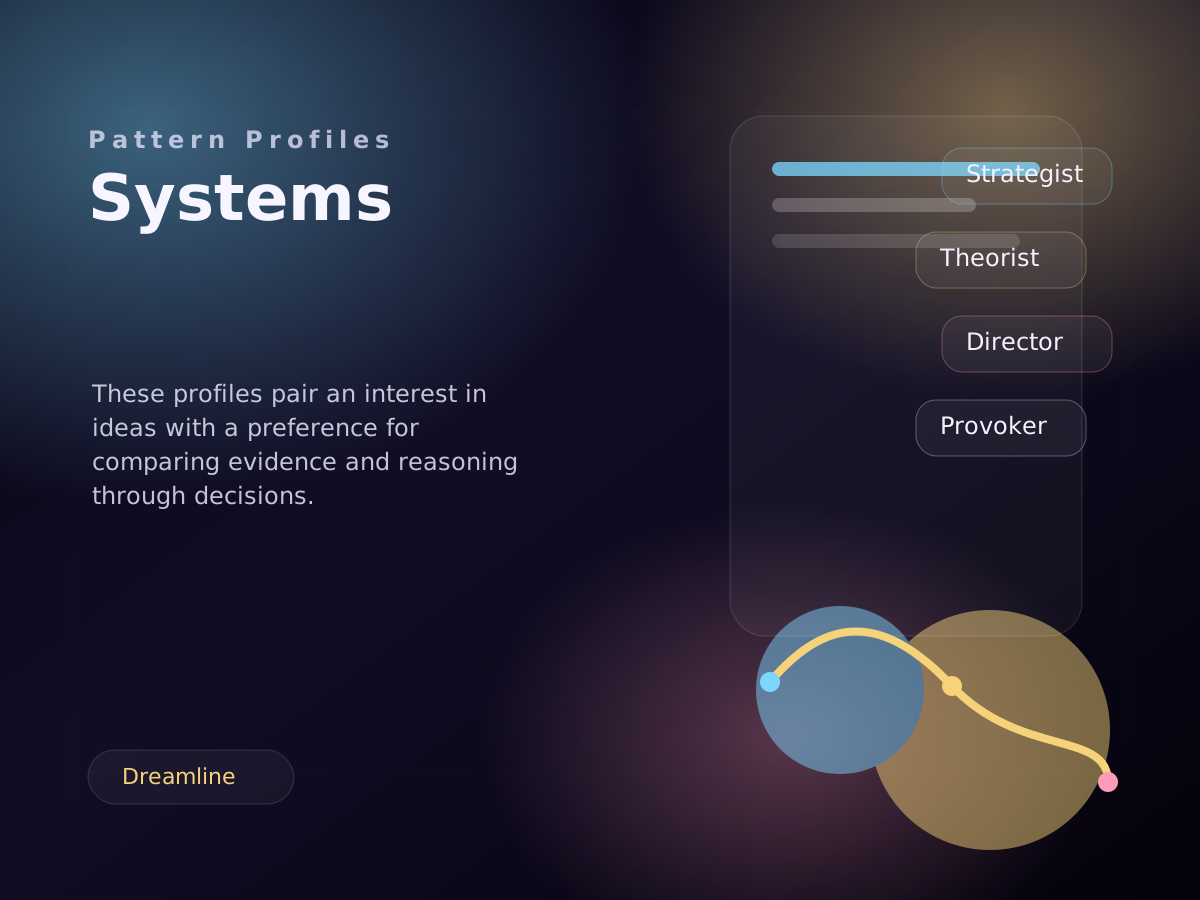
These profiles pair an interest in ideas with a preference for comparing evidence and reasoning through decisions.
At night: After a day of planning or debate, notice whether the next question follows you into bed.

Pattern Profiles
Pattern Profiles offer one lens for reflecting on attention, decisions, and relationships. Your own experience decides what fits.

Four families
Start with the family that sounds most like you, then compare the types inside it.
Systems
These profiles pair an interest in ideas with a preference for comparing evidence and reasoning through decisions.
At night: After a day of planning or debate, notice whether the next question follows you into bed.
Meaning
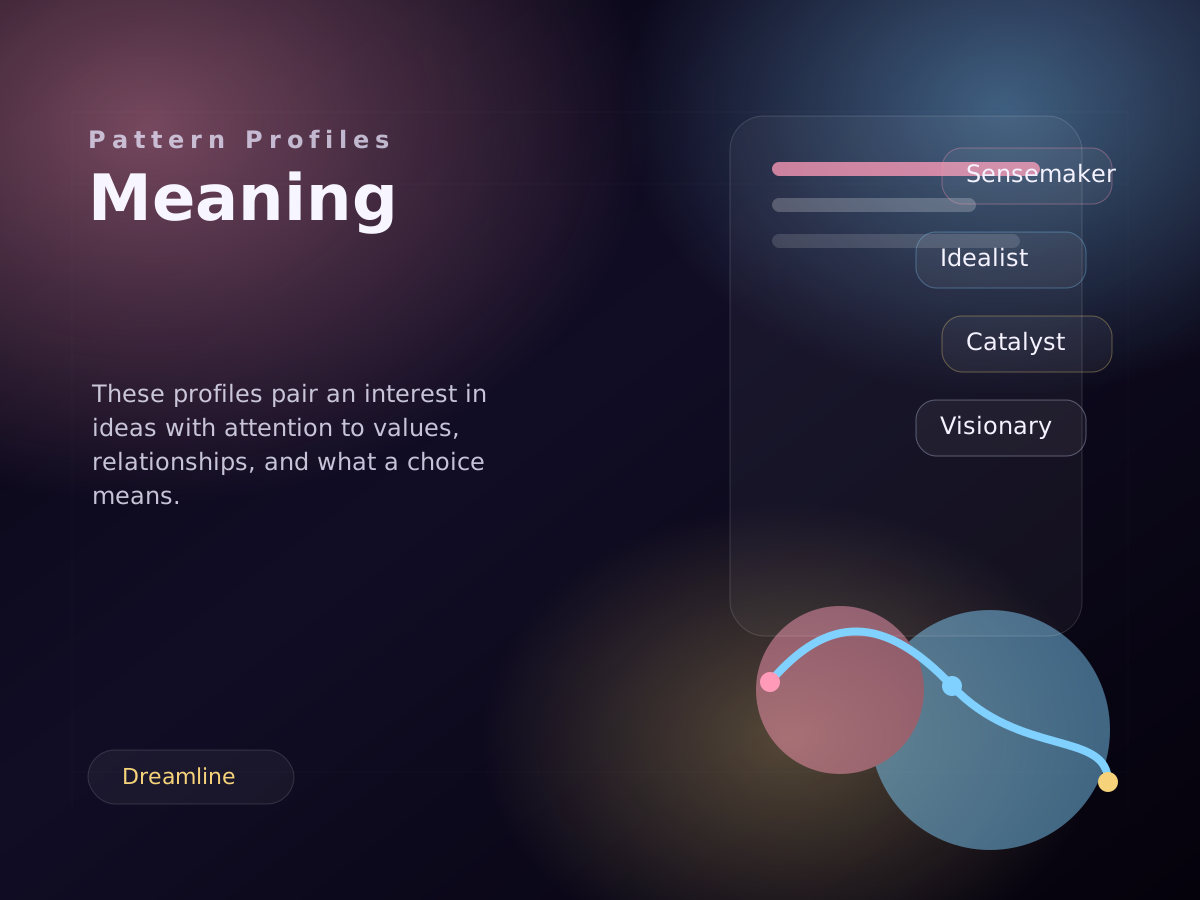
These profiles pair an interest in ideas with attention to values, relationships, and what a choice means.
At night: After an important conversation, notice whether you are still replaying what was said or left unsaid.
Anchors
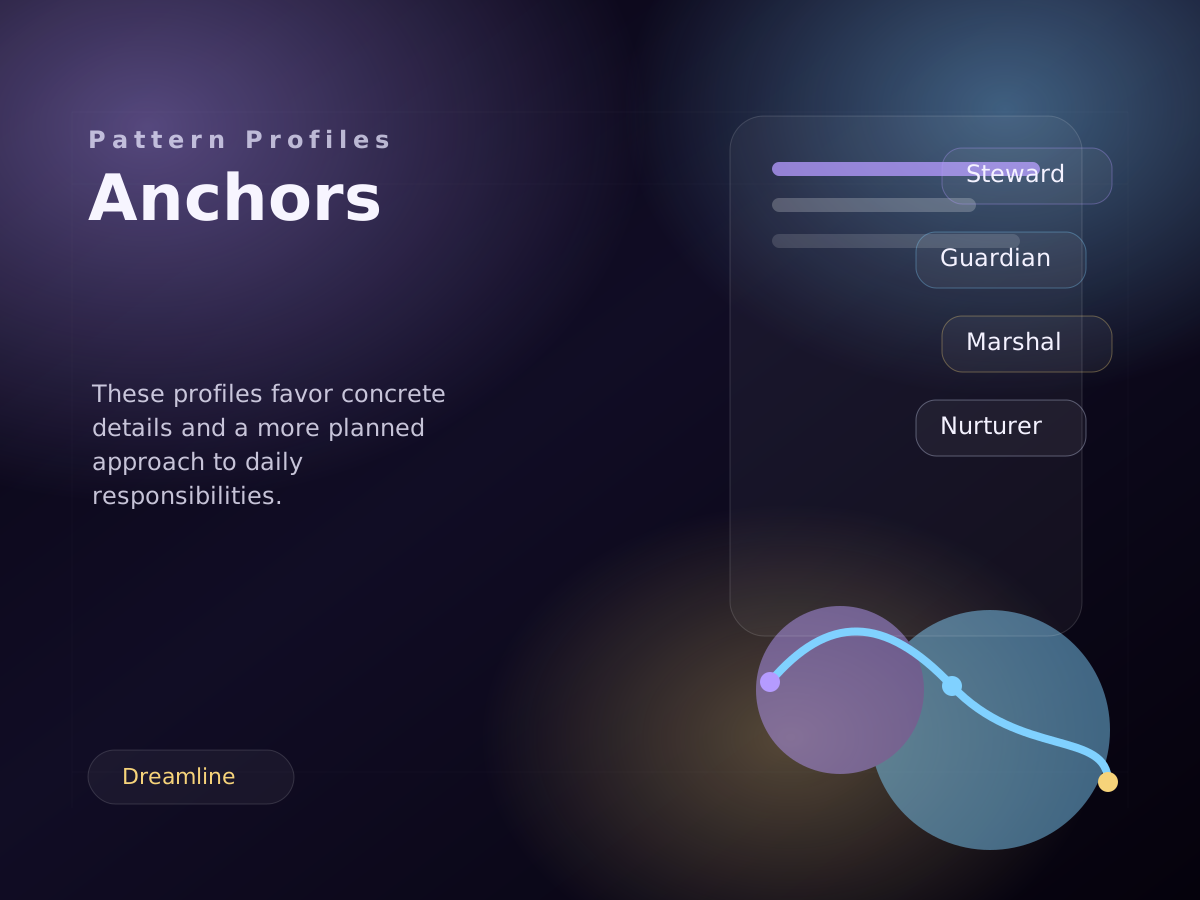
These profiles favor concrete details and a more planned approach to daily responsibilities.
At night: When responsibilities feel unfinished, notice which can be written down and left until tomorrow.
Presence
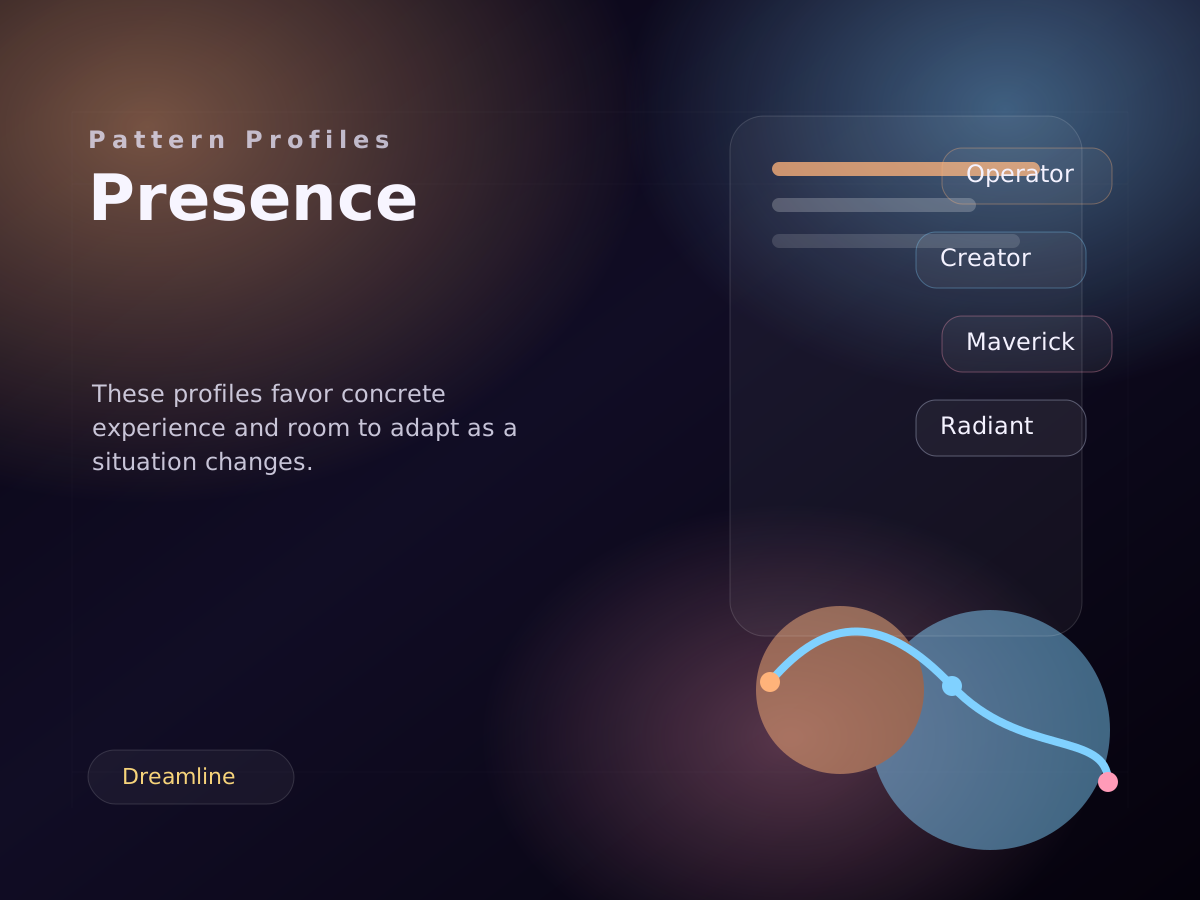
These profiles favor concrete experience and room to adapt as a situation changes.
At night: After a busy evening, notice which activities made it easier or harder to stop when you planned.
Browse by family
Once the family sounds right, the type pages show what changes from one type to the next.
Systems family
These profiles pair an interest in ideas with a preference for comparing evidence and reasoning through decisions.
At night: After a day of planning or debate, notice whether the next question follows you into bed.
Meaning family
These profiles pair an interest in ideas with attention to values, relationships, and what a choice means.
At night: After an important conversation, notice whether you are still replaying what was said or left unsaid.
Anchors family
These profiles favor concrete details and a more planned approach to daily responsibilities.
At night: When responsibilities feel unfinished, notice which can be written down and left until tomorrow.
Presence family
These profiles favor concrete experience and room to adapt as a situation changes.
At night: After a busy evening, notice which activities made it easier or harder to stop when you planned.
All 16 types
Each profile includes examples of familiar choices, possible difficulties, and a practical question to explore.

Systems
You often notice dependencies and weak points before they become urgent problems.

Systems
You may prefer to understand how a problem works before deciding what to do about it.

Systems
You tend to move quickly from a broad goal to a concrete plan, especially when roles and next steps are unclear.

Systems
Ideas often get clearer for you in conversation, especially when someone is willing to test the first answer.

Meaning
You may notice repeated themes and differences between what people say and what happens.

Meaning
You may give close attention to what feels meaningful, sincere, and consistent with your values.


Meaning
You notice possibilities early and often bring a sense of what an idea could become.


Anchors
You usually care in concrete ways, and people often feel safer because you noticed the real need before they had to name it.

Anchors
You tend to value clear responsibilities, practical standards, and a plan people can follow.

Anchors
You often show care by remembering practical needs and following through on small tasks.

Presence
You may prefer to handle the concrete problem in front of you before discussing broader possibilities.

Presence
You may pay close attention to how a space feels and whether its details suit the work or occasion.

Presence
You may find it easier to decide when you can see the real situation and respond to it directly.

Presence
You often bring warmth to a room through humor, enthusiasm, or quick attention to the people around you.
Why this helps inside the app
Pattern Questions describe your usual preferences. A profile gives you examples to reflect on; your own nights and check-ins provide the context around them.
What kind of night pressure usually follows this baseline.
What kinds of images or situations tend to repeat.
Why the first useful suggestion differs from one type to another.
Four axes
Compare processing, attention, decision-making, and planning. A nearby profile changes one preference, which gives you another set of examples to consider.
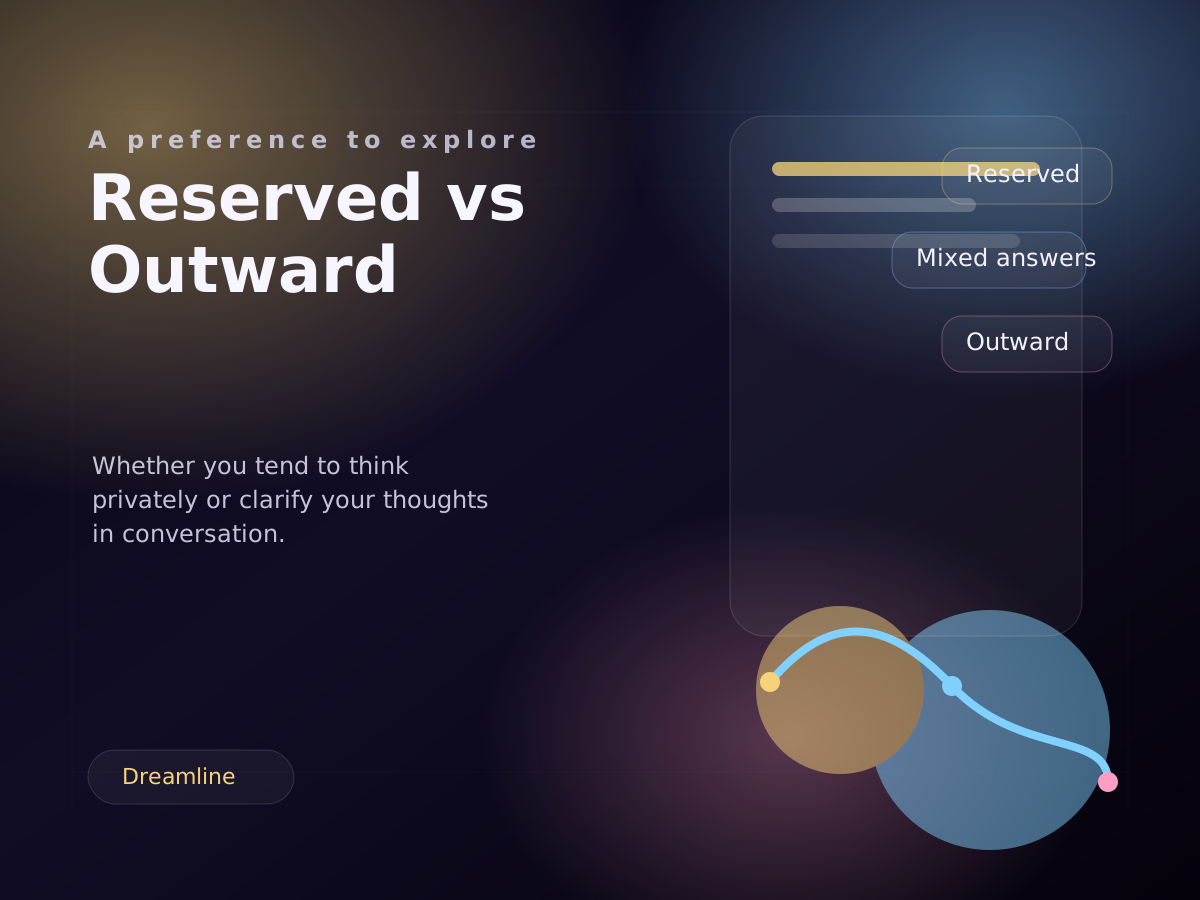
Reserved ↔ Outward
Whether you tend to think privately or clarify your thoughts in conversation.
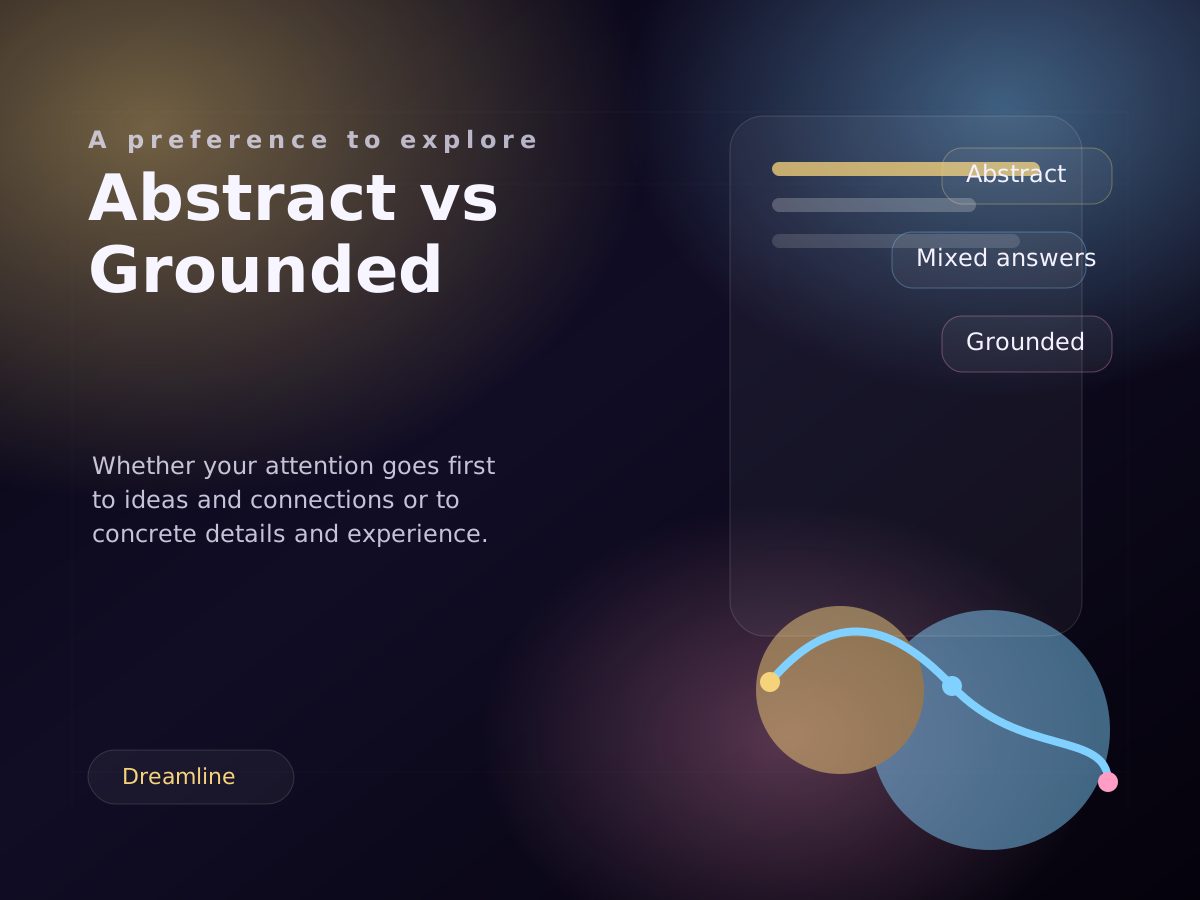
Abstract ↔ Grounded
Whether your attention goes first to ideas and connections or to concrete details and experience.
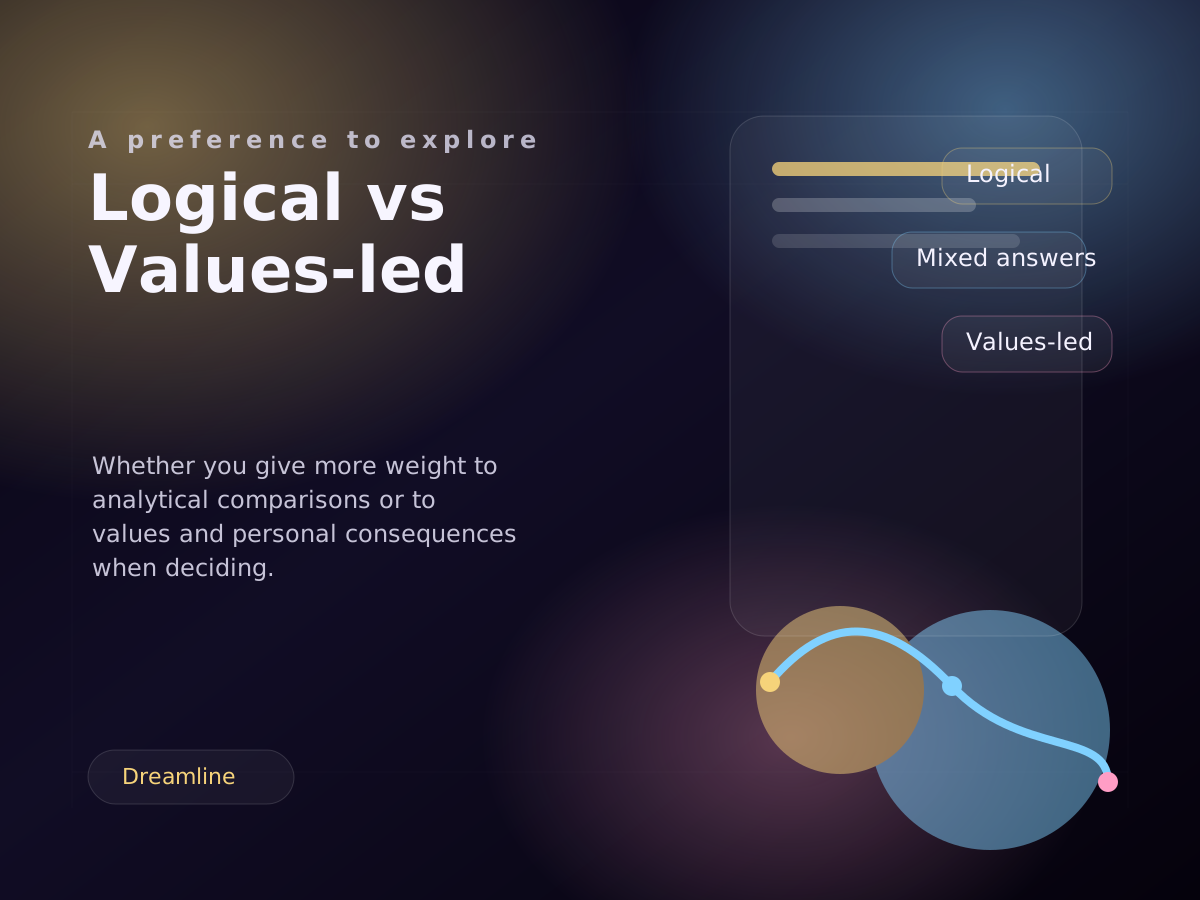
Logical ↔ Values-led
Whether you give more weight to analytical comparisons or to values and personal consequences when deciding.
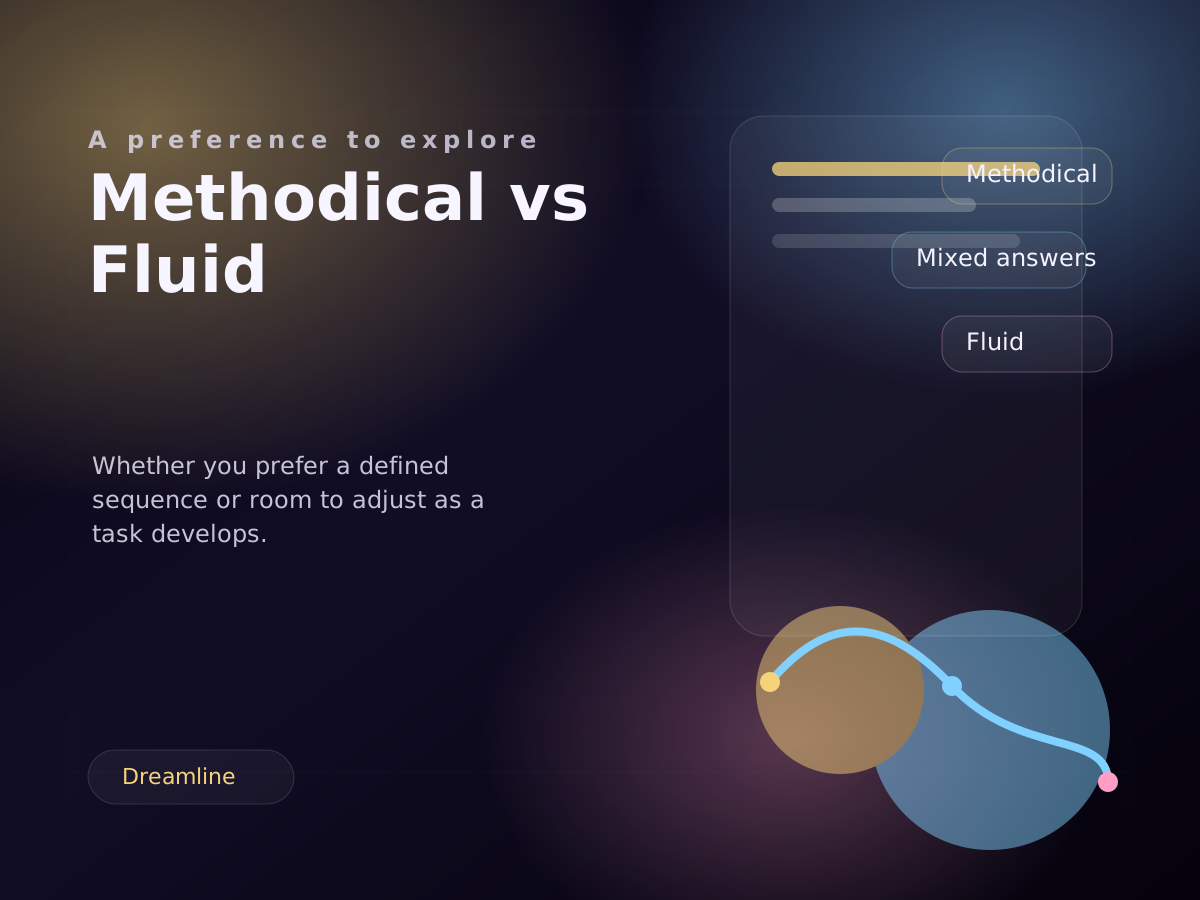
Methodical ↔ Fluid
Whether you prefer a defined sequence or room to adjust as a task develops.
Take the Quiz
Start with a profile you recognize. Your Journal and check-ins give you places to explore its questions.