Start with actual nights
Use the sleep information available to you rather than a personality label.

How it works
When you sleep and wake is useful context. Compare recorded nights with your schedule and how you felt the following day.
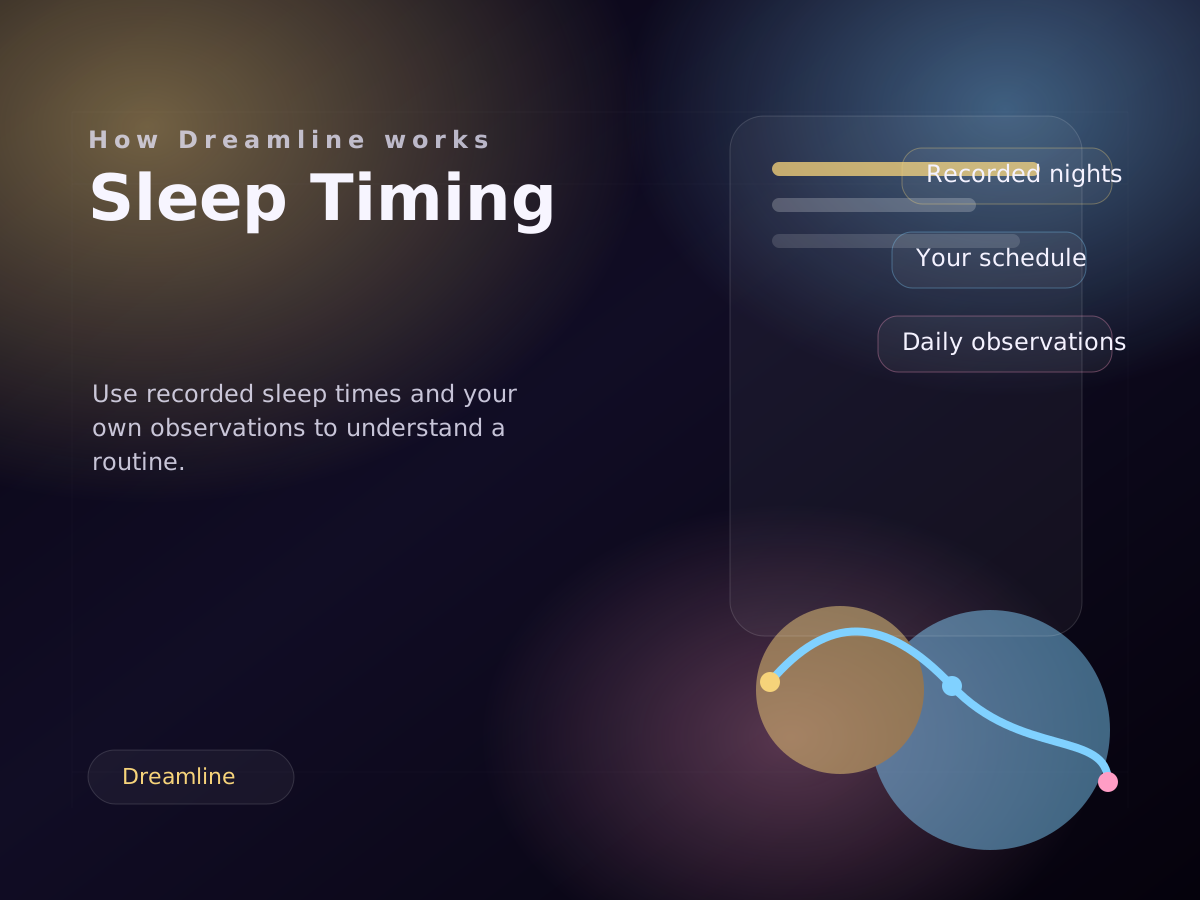
How this works in Dreamline
Rhythm shows available sleep timing information. Journal and your daily check-in can add the details a graph leaves out.
Read with context
A recorded sleep window describes a night. It does not by itself establish your biological rhythm, explain a dream, or identify a health condition.
Why it matters
Repeated observations can help you choose a practical adjustment and see whether it suits you.
Use the sleep information available to you rather than a personality label.
A small adjustment is easier to compare with your usual routine.
Notice whether your mornings feel different over several days.